
Indoor Air Quality Solutions:
Clearer Air, Healthier Home, Happier You
Have you ever walked into your home after a long day and taken a deep breath? That feeling of comfort is something we all love. But here is something most people do not realize. The air inside your home can actually be more polluted than the air outside. Yes, that is shocking but true. Dust, pet dander, mold spores, and even chemicals from cleaning products float around your living room, kitchen, and bedroom every single day. If you or your family members suffer from allergies, headaches, or constant tiredness, your indoor air might be the reason. The good news? You do not need to live with bad air anymore. There are proven indoor air quality solutions that work. Whether you live in a small apartment in New York or a big house in Texas, cleaner air is possible. You just need to know where to start. Think about this. Your family breathes over 15,000 quarts of air every single day. Most of that happens right inside your home. So making sure that air is clean is not a luxury anymore. It is a must. In this guide, I will walk you through simple, affordable, and powerful ways to improve the air you breathe. No complicated science. No confusing terms. Just real solutions that work for real families like yours. Let us clear the air together.
Why Indoor Air Quality Matters More Than You Think
We often worry about smog outside or pollution from cars. But what about the air in your own bedroom? The truth is indoor air can be two to five times more polluted than outdoor air. Sometimes even higher. Think about everything inside your home. Carpets trap dust and dirt. Furniture releases tiny chemical particles over time. Even that fresh paint smell? It is actually a sign of harmful gases called VOCs. These float around and you breathe them in without even knowing. Poor indoor air quality does not just cause coughing or sneezing. It affects your sleep. It makes it harder to focus. It can even weaken your immune system over time. Children, older adults, and people with asthma feel this the most. But here is the hopeful part. You have control. Unlike the air outside, you can change the air inside your home. You can filter it. You can clean it. You can make it healthier. Every small step you take adds up. When you understand why this matters, you feel motivated to act. And once you experience how fresh your home can truly smell and feel, you will never go back. This is not about perfection. It is about progress. Start small. Open a window. Add a plant. Change a filter. Your lungs will thank you.
The Hidden Culprits: Common Indoor Air Pollutants You Might Miss
You cannot fix a problem if you do not know what causes it. So let us talk about the hidden troublemakers floating around your home right now. Dust mites are tiny bugs you cannot see. They live in your pillows, mattresses, and carpets. They do not bite, but their droppings trigger allergies. Gross, right? But true. Mold and mildew love damp places. Bathrooms, kitchens, and basements are their favorite spots. Even a small leak under the sink can become a mold farm. Once mold spores get into the air, they travel everywhere. Pet dander is another big one. Even if you vacuum daily, those tiny skin flakes stick to furniture and float upward every time someone sits down. Then there are chemicals. Your air freshener, your carpet cleaner, even your new sofa release gases. This is called off-gassing. It gives indoor air that weird stuffy feeling. Cooking smoke, candle soot, and even the glue in your furniture all add to the problem. Here is the good news. Once you know these culprits, you can fight them. Simple changes make a huge difference. You do not need to throw away everything you own. You just need the right indoor air quality solutions. Knowledge is power. Now you know what is in your air. Let us talk about how to clean it up.
Simple Daily Habits That Improve Indoor Air Naturally
You do not always need expensive machines to breathe better. Sometimes the best indoor air quality solutions are simple habits you can start today. And the best part? Most of them cost nothing. Open your windows for just ten minutes every morning. This is called airing out. It pushes stale indoor air outside and pulls fresh air in. Even in winter, a short burst of fresh air works wonders. Take off your shoes at the door. Think about everything your shoes touch during the day. Sidewalks, public restrooms, parking lots. All of that dirt and pollen ends up on your floors. A no-shoe rule cuts indoor dust by a huge amount. Vacuum smarter. Do not just push the vacuum around quickly. Go slow. Use a machine with a HEPA filter. These trap tiny particles instead of blowing them back into the room. Dust with a damp cloth. Dry dusting just flicks particles into the air. A slightly wet cloth grabs the dust and keeps it trapped. Change your bedding weekly. Dead skin cells build up fast. Washing sheets in hot water kills dust mites naturally. These habits are small but powerful. They build on each other. After one week, you will notice less dust on surfaces. After one month, your nose will feel clearer. After one year, your home will be a completely different place. Start with one habit today. Just one. Then add another next week. You have got this.
Air Purifiers: Your Best Friend for Cleaner Indoor Air
If you want fast, noticeable results, an air purifier is one of the most effective indoor air quality solutions available today. These machines work by pulling dirty air in, trapping pollutants, and pushing clean air back out. But not all air purifiers are the same. You want one with a true HEPA filter. HEPA stands for High-Efficiency Particulate Air. That sounds fancy, but it just means the filter catches very tiny particles. We are talking about pollen, dust, mold spores, and even some bacteria. Look for a Clean Air Delivery Rate or CADR rating. Higher numbers mean faster cleaning. Match the machine size to your room. A tiny purifier cannot clean a large living room. Check the box. It will tell you the recommended room size. Placement matters too. Do not hide the purifier behind a curtain or sofa. It needs airflow. Put it in the corner of the room you use most. Bedrooms are a great place to start because you spend hours there sleeping. Also think about noise. Some purifiers hum softly like a white noise machine. Others are louder. Read reviews. Find one that fits your comfort level. Change the filter on time. This is where many people slip. A clogged filter cannot clean air. Set a reminder on your phone. Most filters need changing every six to twelve months. An air purifier is not magic. But it is close. Within hours of turning it on, you will feel the difference.
HVAC and AC Maintenance: The Backbone of Healthy Air
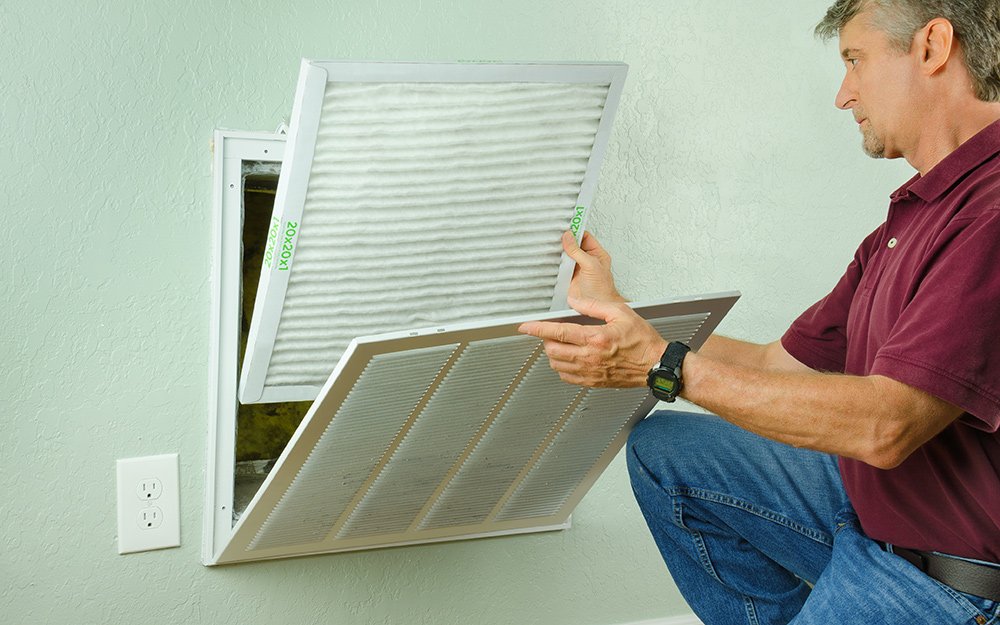
Your heating and cooling system does more than keep you comfortable. It is the lungs of your home. If your HVAC system is dirty, it pumps polluted air into every single room. Let us start with the filter. This is the easiest and most important step. Change it every thirty to ninety days. A dirty filter cannot trap dust. It also makes your system work harder, which raises your energy bills. Upgrade to a better filter if you can. Look for a MERV rating between 8 and 13. MERV stands for Minimum Efficiency Reporting Value. Higher numbers trap smaller particles. Just make sure your system can handle it. Check your manual or ask an HVAC pro. Schedule professional maintenance once a year. A technician will clean coils, check for mold, and make sure everything runs right. This small investment saves money and keeps your air clean. Also check your ductwork. Leaky ducts pull dust from attics and crawl spaces straight into your living areas. Sealing leaks makes a huge difference. Consider a whole-home air cleaner. These attach directly to your HVAC system. They clean all the air passing through, not just one room. Your HVAC system works hard for you year-round. Show it some love. Regular care keeps your air fresh and your family breathing easy.
Humidity Control: Finding the Perfect Balance for Comfort
Humidity is the amount of water vapor in your air. Too much and mold grows. Too little and your skin cracks, your throat gets scratchy, and viruses spread more easily. The sweet spot is between thirty and fifty percent humidity. This range keeps most allergens under control and feels comfortable for humans. In humid states like Florida or Louisiana, a dehumidifier is essential. These machines pull excess moisture from the air. They make rooms feel cooler and prevent that sticky feeling. More importantly, they starve mold and dust mites of the moisture they need to survive. In dry climates or during winter, you might need a humidifier. Dry air irritates your nasal passages. It makes you more prone to colds. A cool-mist humidifier adds moisture back into the air, helping you breathe easier. You can buy a small hygrometer for under twenty dollars. This little device tells you exactly what your humidity level is. No guessing. Just facts. Place dehumidifiers in basements and bathrooms. These are the dampest spots. Place humidifiers in bedrooms while you sleep for maximum comfort. Balanced humidity is one of those indoor air quality solutions you cannot see but you can definitely feel. Your skin, your sinuses, and your houseplants will all thank you.
Houseplants That Naturally Clean Your Air
Plants do more than decorate your shelves. They are living air purifiers. Through their leaves and roots, they absorb harmful gases and release fresh oxygen. The snake plant is a champion. It releases oxygen at night, making it perfect for bedrooms. It also tolerates low light and forgetful watering. Hard to kill. Spider plants are another great choice. They remove carbon monoxide and formaldehyde from the air. They also grow baby plants you can share with friends. Peace lilies have beautiful white flowers and remove mold spores from damp air. Just keep them away from pets, as they are toxic if chewed. Boston ferns are moisture lovers. Hang one in your bathroom to filter air and add a spa-like feel. Here is an honest tip. You would need many plants to replace a real air purifier. But that is not the point. Plants work alongside your other efforts. They add beauty, reduce stress, and quietly filter the air while you go about your day. Start with two or three easy plants. Place them where you spend the most time. Water them when the soil feels dry. Watch them grow. Breathe easier. Plants remind us that nature knows best. Sometimes the oldest solutions are the wisest ones.
Ventilation Strategies That Bring Fresh Air In
Modern homes are built tight. That saves energy, which is good. But it also traps pollutants inside. That is bad. Ventilation is the bridge between energy efficiency and healthy air. Kitchen range hoods are non-negotiable. Use yours every time you cook, even for boiling water. Smoke, grease, and gas byproducts need to go outside, not float through your home. Bathroom fans exist for a reason. Run yours during showers and for twenty minutes after. This pulls steam out before mold can settle in. Window fans can pull fresh air in or push stale air out. On mild days, set one fan blowing inward and another blowing outward. This creates cross-breezes that refresh entire rooms. Attic ventilation matters more than you think. Hot, stale air trapped in your attic seeps downward. Proper attic vents keep this from happening. If your home feels stuffy no matter what, consider an energy recovery ventilator or ERV. These systems bring in fresh outdoor air while preserving your heating or cooling. They are an investment, but for allergy sufferers, they change everything. Air should move. It should circulate. Stagnant air is never healthy air. Give your home room to breathe.
Allergen-Proofing Your Bedroom for Deep, Restorative Sleep
You spend one-third of your life in your bedroom. That makes it the most important room in your home for indoor air quality solutions. Start with your pillows and mattress. Cover them with zippered allergen-proof covers. These block dust mites from escaping into your breathing zone. They feel like regular fabric, not plastic crinkly stuff. Wash your bedding weekly in hot water. Cold water does not kill dust mites. Hot water does. Add an extra rinse cycle to remove detergent residue, which can also irritate lungs. Remove carpet if possible. Bedrooms with hardwood or laminate floors collect far less dust. If you must keep carpet, vacuum slowly and often with a HEPA-filter machine. Keep pets off the bed. I know. They are warm and cuddly. But their dander sinks deep into your mattress and pillows. If your pet sleeps with you, you sleep with their dander. Declutter your nightstands. Books, candles, and decorative items collect dust. Fewer surfaces mean less dust accumulation. Air purifiers work wonderfully in bedrooms. Run yours on low overnight. The gentle hum masks outside noise and the clean air helps you fall asleep faster. Your bedroom should be your sanctuary. A place of rest and recovery. Allergen-proofing turns that dream into reality.
Comparing Indoor Air Quality Solutions Across All 50 States
Different climates create different air challenges. What works in dry Arizona might fail in humid Georgia. This table helps you match solutions to your specific location. Use it as your personalized roadmap to cleaner air.
| State | Common Air Challenges | Best Indoor Air Quality Solutions | Local Tip |
|---|---|---|---|
| Alabama | High humidity, pollen, mold | Dehumidifier, HEPA air purifier | Clean AC filters monthly during summer |
| Alaska | Dry indoor air, wood smoke | Humidifier, premium HVAC filtration | Seal windows to prevent cold drafts |
| Arizona | Dust storms, dry air, pollen | Whole-house air cleaner, humidifier | Change car HVAC filter often too |
| Arkansas | Humidity, allergens, radon | Dehumidifier, radon mitigation system | Test for radon every two years |
| California | Wildfire smoke, VOCs, pollen | Air purifier with carbon filter, fresh air intake | Keep N95 masks for poor air days |
| Colorado | Dry air, altitude effects, mold in basements | Whole-home humidifier, basement dehumidifier | Hydrate more at high elevation |
| Connecticut | Pollen, mold, aging homes | Duct cleaning, allergen-proof bedding | Insulate ducts in unconditioned spaces |
| Delaware | Humidity, coastal mold, traffic pollution | Dehumidifier, carbon filter air purifier | Use exhaust fans year-round |
| Florida | Extreme humidity, mold, dust mites | High-capacity dehumidifier, AC with UV light | Run bathroom fan 30 minutes post-shower |
| Georgia | Pollen, humidity, mold | HEPA purifier, dehumidifier, shoe removal rule | Wash outdoor pets’ paws before entry |
| Hawaii | Volcanic vog, mold, outdoor allergens | Carbon air filter, dehumidifier, indoor plants | Keep windows closed during vog alerts |
| Idaho | Wildfire smoke, dry winters | Air purifier with smoke filter, humidifier | Create clean room during fire season |
| Illinois | Humidity, urban pollution, dust mites | AC maintenance, dehumidifier, air purifier | Check basement for moisture weekly |
| Indiana | Mold, pollen, older home dust | ERV system, duct sealing, HEPA vacuum | Inspect crawl spaces for standing water |
| Iowa | Humidity, agricultural chemicals | Carbon pre-filter, dust control mats | Remove shoes before entering home |
| Kansas | Tornado debris, pollen, dry air | High-MERV filters, humidifier, shelter air quality | Replace filters after severe weather |
| Kentucky | Humidity, mold, radon | Dehumidifier, radon test kit, bathroom fans | Test home for radon during real estate transfer |
| Louisiana | Extreme humidity, mold, flood aftermath | Industrial dehumidifier, professional mold remediation | Elevate HVAC equipment in flood zones |
| Maine | Cold dry winters, wood stoves | Humidifier, premium wood stove filter, CO detector | Store firewood outside, not indoors |
| Maryland | Urban pollution, humidity, pollen | Carbon filter, dehumidifier, smart thermostat | Check air quality index before opening windows |
| Massachusetts | Pollen, mold, older building materials | HEPA purifier, lead-safe renovation practices | Test for lead paint before sanding |
| Michigan | Humidity, lake-effect mold, dust mites | Basement dehumidifier, AC tune-up | Clean window wells of leaves and debris |
| Minnesota | Extreme cold, dry air, radon | Whole-home humidifier, HRV system | Recirculate air during extreme cold snaps |
| Mississippi | High humidity, mold, flood concerns | Powerful dehumidifier, flood-damage remediation | Replace water-damaged drywall quickly |
| Missouri | Humidity, pollen, urban smog | Two-stage air purifier, dehumidifier | Keep garage separate from living space |
| Montana | Wildfire smoke, dry air, wood heat | Air scrubber, humidifier, smoke-rated filter | Create seal between garage and home |
| Nebraska | Pollen, humidity, agricultural dust | Air cleaner with pre-filter, shoe removal | Shower after gardening or farm work |
| Nevada | Desert dust, extreme dryness, ozone | Evaporative cooler maintenance, humidifier | Wet dust surfaces daily |
| New Hampshire | Cold dry winters, radon, mold | HRV system, humidifier, radon mitigation | Test well water for vapor intrusion |
| New Jersey | Urban pollution, humidity, older homes | Carbon air filter, duct sealing, mold inspection | Vent clothes dryers directly outside |
| New Mexico | Dust, dry air, wildfire smoke | Whole-house humidifier, air purifier with carbon | Use swamp cooler maintenance checklist |
| New York | Urban pollution, mold, dust mites | High-CADR air purifier, dehumidifier | Request indoor air quality assessment in rentals |
| North Carolina | Humidity, pollen, coastal mold | Whole-home dehumidifier, HEPA vacuum | Pressure-wash decks away from AC units |
| North Dakota | Bitter cold, dry air, radon | HRV system, humidifier, radon test | Insulate attics to prevent ice dams |
| Ohio | Humidity, industrial pollution, mold | Carbon filter, basement waterproofing, AC upgrade | Test for VOCs near attached garages |
| Oklahoma | Tornado debris, pollen, humidity | Shelter air filtration, dehumidifier, HVAC check | Inspect attic after severe storms |
| Oregon | Wildfire smoke, rain mold, dampness | Smoke-rated air purifier, dehumidifier, sump pump | Create wildfire action plan with clean air room |
| Pennsylvania | Humidity, radon, older home dust | Radon mitigation, duct cleaning, HEPA purifier | Seal foundation cracks thoroughly |
| Rhode Island | Coastal humidity, mold, pollen | Dehumidifier, allergen-proof bedding, AC cleaning | Rinse window AC units monthly |
| South Carolina | Intense humidity, pollen, flood risk | High-capacity dehumidifier, professional mold check | Elevate outdoor AC pad in flood zones |
| South Dakota | Dry air, agricultural dust, radon | Humidifier, air cleaner with pre-filter | Change furnace filters before harvest season |
| Tennessee | Humidity, pollen, mold | Dehumidifier, HEPA purifier, crawl space encapsulation | Monitor indoor humidity with digital gauge |
| Texas | Humidity (east), dust (west), pollen | Zone-specific: dehumidifier east, humidifier west | Clean evaporator coils bi-annually |
| Utah | Inversion pollution, dry air, dust | Carbon filter, whole-home humidifier, ERV system | Limit fireplace use on red air days |
| Vermont | Cold dry winters, wood smoke, radon | Wood stove upgrade, humidifier, HRV system | Burn only seasoned dry wood |
| Virginia | Humidity, pollen, mold, radon | Dehumidifier, radon test, HEPA purifier | Clean gutters to prevent basement seepage |
| Washington | Rain mold, wildfire smoke, dampness | Dehumidifier, smoke-rated air purifier, sump pump | Check crawl space vapor barrier annually |
| West Virginia | Humidity, radon, coal dust | Radon mitigation, HEPA purifier, frequent dusting | Vacuum with HEPA-sealed system |
| Wisconsin | Cold dry winters, lake mold, radon | Whole-home humidifier, basement dehumidifier | Extend downspouts away from foundation |
| Wyoming | Dry air, wildfire smoke, radon | Humidifier, smoke-rated air filter, radon test | Seal home tightly before winter |